In today’s digital era, having a strong online presence is no longer optional — it’s essential. Whether you’re a small local shop or a growing enterprise, taking your business online opens up a world of opportunities. From reaching new customers to improving sales and branding, the internet offers tools and platforms that can transform your business.
If you’re wondering how to start, you’re in the right place. At Digital SK, we specialize in helping businesses make this transition smoothly and successfully. Here’s a step-by-step guide on how to take your business online.
1. Understand Why Your Business Needs to Go Online
The first step is recognizing the importance of the digital space. Consumers are increasingly searching, shopping, and interacting online. If your business isn’t visible where your customers spend their time, you risk losing them to competitors.
An online presence increases your reach beyond geographical limitations. You can attract a wider audience, offer your products or services 24/7, and build brand credibility. Going digital also opens avenues for marketing and customer engagement that traditional methods can’t match.
2. Define Your Business Goals and Audience
Before jumping in, it’s vital to clarify your objectives. Are you looking to sell products online? Or perhaps generate leads, build your brand, or provide information? Clear goals will shape your online strategy.
Next, understand who your customers are. What are their needs, preferences, and habits? Identifying your target audience helps tailor your website, content, and marketing efforts to resonate with them.
3. Build a Professional Website
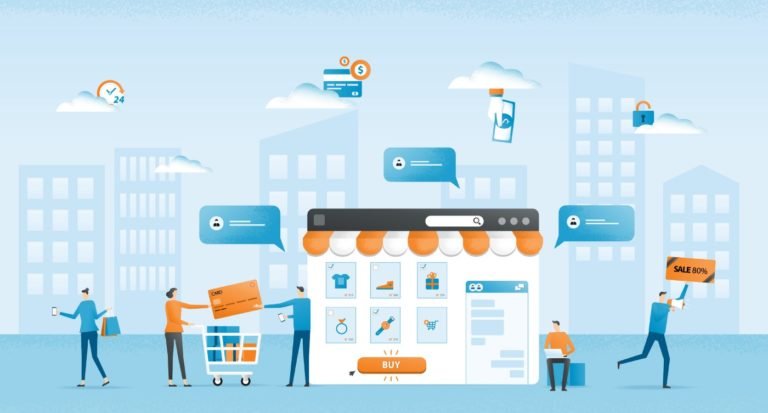
Your website is your digital storefront — it’s often the first impression potential customers have of your business. Investing in a professional, user-friendly, and mobile-responsive website is essential.
Choose the Right Domain Name
Pick a domain name that reflects your brand and is easy to remember. Keep it short, simple, and avoid complex spellings.
Hosting and Platform
Reliable hosting ensures your website runs smoothly with minimal downtime. For building your site, you can choose platforms like WordPress, Shopify (if you’re selling products), or custom development depending on your needs.
Design and Functionality
Make sure your website is easy to navigate, visually appealing, and fast-loading. Optimize it for mobile devices since a significant amount of traffic comes from smartphones and tablets.
SEO Basics
Optimize your site for search engines by using relevant keywords, meta descriptions, and quality content. This helps improve your visibility in Google search results.
4. Establish Your Online Presence on Social Media
Besides your website, social media platforms are crucial for engaging with your audience and expanding your reach.
Choose the Right Platforms
Not all social media networks suit every business. For B2B companies, LinkedIn is valuable; for consumer brands, Facebook and Instagram work well. Identify where your audience spends their time.
Consistent Branding
Maintain consistent logos, colors, and messaging across all platforms. This helps build brand recognition and trust.
Engage Your Audience
Post regularly, share valuable content, and interact with followers. Social media isn’t just a broadcasting tool — it’s a place to build relationships.
5. Create Valuable Content to Attract Customers
Content marketing is one of the most effective ways to build your online presence. By sharing valuable, relevant information, you can attract and retain customers.
Types of Content
* Blog posts addressing customer pain points or industry trends * Videos showcasing your products, tutorials, or testimonials * Guides and eBooks that offer in-depth knowledge * FAQs that answer common questions
Benefits of Content
Good content improves SEO, establishes your authority in your industry, and builds trust with your audience
6. Drive Traffic Using Digital Marketing
Getting your website and social media profiles in front of the right audience requires strategic marketing.
SEO (Search Engine Optimization)
Optimizing your website to rank higher in search results organically drives free, relevant traffic.
Paid Advertising
Platforms like Google Ads and Facebook Ads let you target specific demographics and interests, ensuring your message reaches potential customers.
Email Marketing
Building an email list allows direct communication with your audience, promoting products, updates, and offers.
Analytics and Tracking
Measure the effectiveness of your campaigns using tools like Google Analytics. This data helps you optimize your marketing strategies and maximize ROI.
7. Take the First Step Today
Taking your business online might seem daunting at first, but with the right plan and support, it becomes an exciting growth opportunity. Start by setting clear goals, building a professional website, and gradually expanding your online presence with content and marketing.
At Digital SK, we’re here to help every step of the way. Whether you need a new website, social media management, or a full digital marketing strategy, our team is ready to make your online transition seamless and successful.
Contact Digital SK today for a free consultation and discover how we can help take your business online!